What Did the Moscow Children's School of Safety Teach Its Participants
22 July 2026
Moscow has wrapped up the “Children’s School of Safety,” an educational project by the Department of Transport. Over the course of three weeks, the program introduced children to safe behavior in transport, modern urban technologies, environmental awareness, and digital services. Most importantly, the children met the people from various transport agencies who work every day to ensure the smooth operation of one of the world’s largest transport systems.
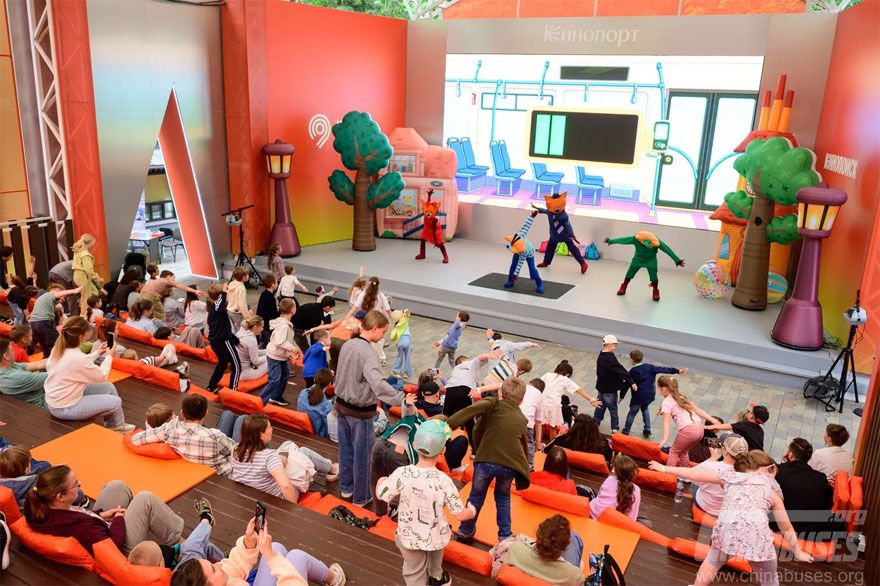
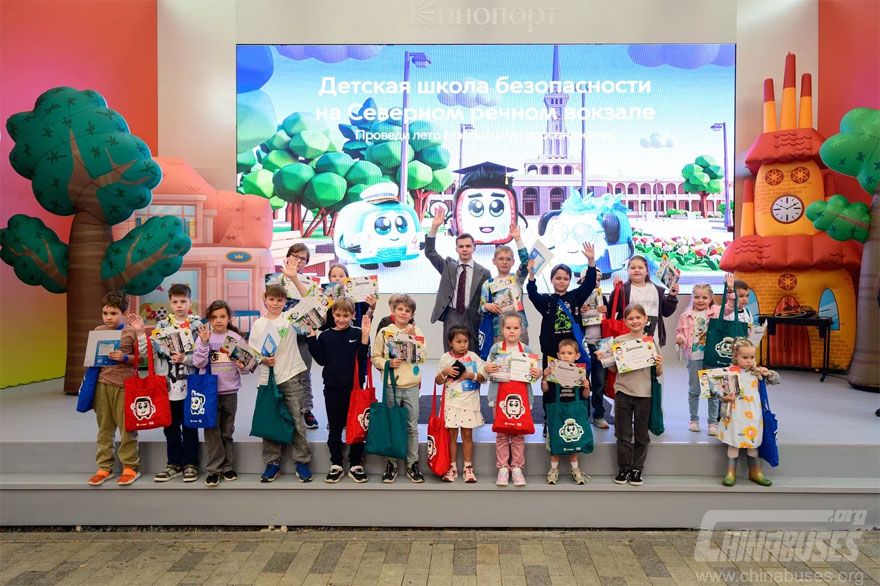
The final classes were held at the North River Terminal, which has long become not just a vital transport hub but also a popular public space for family recreation. It was here that participants summarized their learning, tested their new knowledge, met their favorite cartoon characters, and received commemorative gifts. Most importantly, they learned that safety can be taught in an easy, engaging way through games, live interaction, and modern technology.
In total, the project included six action-packed sessions featuring lectures, workshops, interactive games, quizzes, theatrical performances, and creative meetings. Over the three weeks, the school welcomed about 350 participants, each of whom not only learned a lot but also felt like part of Moscow’s large transport community.
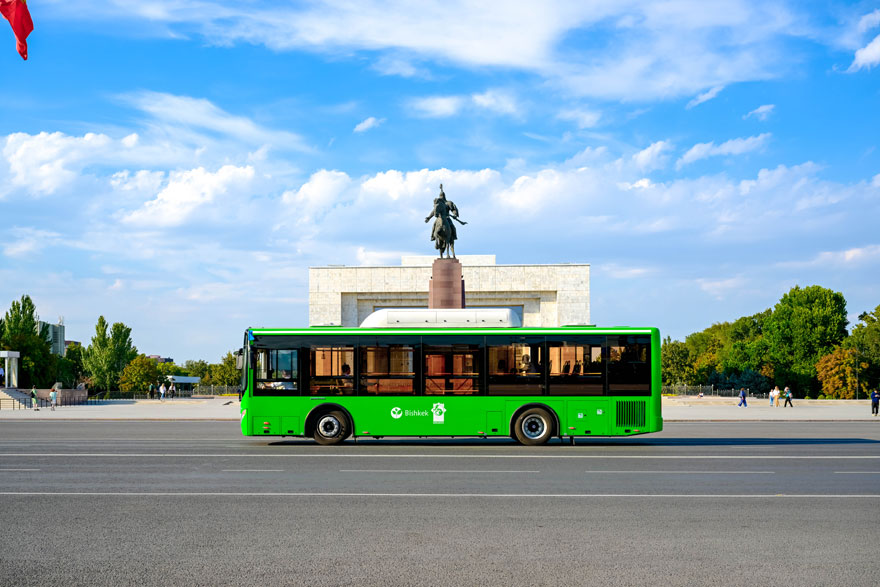
The program was designed to show children modern urban transport from many different angles. The kids learned safety rules for the metro, buses, electric buses, trams, and river transport. They discovered how to start a trip properly, why transport etiquette is important, how to behave on the roads, and what rules help make traveling safe for every passenger.
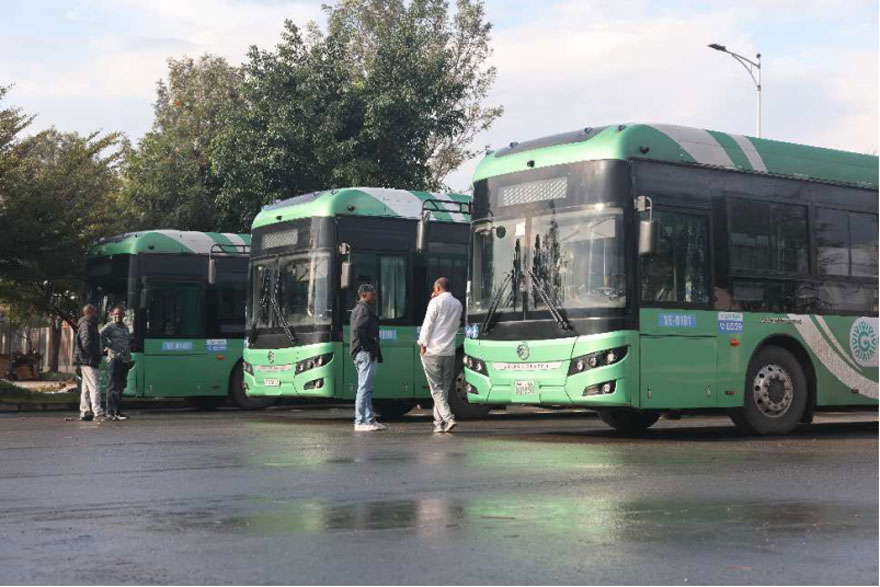
The organizers paid special attention to introducing various transport professions. Young participants got a glimpse into the workday of an electric bus driver, the duties of a metro train operator, and the responsibilities shouldered by transport specialists every day. Thanks to these meetings, the children saw that thousands of professionals stand behind the modern transport system, ensuring its seamless operation.
The sessions dedicated to Moscow’s river transport sparked great interest. At the North River Terminal, the children learned about the features of modern passenger vessels, safety rules on the water, the history of the Moscow River, and the role of river transport in the life of the Russian capital. At the same time, the participants discussed environmental issues and the impact of electric transport on urban life, reinforcing their knowledge through themed quizzes.
A separate educational block was dedicated to digital technologies. Experts from Yandex told the children about how robot couriers work and introduced them to the basics of cybersecurity. They explained how to use the internet safely, protect personal data, and recognize potential threats in the digital environment. For many of the participants, these particular sessions were among the most memorable.
The organizers focused not only on theory but also on live interaction. Throughout the school, children participated in workshops, took photos with characters from the “Moscow Transport for Kids” project—including Metrosha, Elektrobusik, and Rechkin—completed practical assignments, and filled out their participant diaries, collecting stamps for each session. This gamified approach made the learning process natural, intuitive, and engaging.
The final weekend turned into a true celebration. A theatrical performance featuring characters from the popular animated series “Three Cats” took place at the “Kinoport” open-air cinema. Afterward, the participants took a final quiz to test the knowledge they gained during all six sessions. The most active students received commemorative prizes from the “Moscow Transport for Kids” project, and every participant walked away with more than just new knowledge—they left with vivid memories of the experience.
The “Children’s School of Safety” became part of the large-scale citywide project “Summer in Moscow,” which brings together educational, cultural, sporting, and family events for the capital’s residents. Such initiatives help foster a culture of safe behavior from an early age, introduce children to modern urban technologies, and cultivate a sense of responsibility toward public transport.
Today, Moscow’s transport system is one of the most technologically advanced in the world. This is precisely why it is crucial to focus not only on developing infrastructure but also on teaching future passengers how to use all the opportunities of the modern city in a smart, responsible, and safe way. The “Children’s School of Safety” project clearly demonstrated that these important topics can be studied in an engaging format, combining education, practical application, modern technology, creativity, socialization, and family leisure.
“Over the course of three weeks, about 350 people attended the ‘Children’s School of Safety’ sessions. Young residents learned many new things and gained valuable knowledge. We continue to promote a culture of safe behavior in transport among the younger generation, as instructed by Moscow Mayor Sergey Sobyanin,” stated Maxim Liksutov, Deputy Mayor of Moscow for Transport and Industry.
Source :
Editor : Sissi
Views:10149
Share :